Děti a psychoterapie: Jak podpořit duševní zdraví dítěte a co terapie vlastně dělá
When a child struggles, it’s not just about bad behavior or mood swings — it’s often a cry for help that doesn’t have words yet. Děti, osoby ve vývoji, jejichž duševní zdraví je těsně spojeno s rodinným prostředím, dětskými zkušenostmi a emocionální bezpečností. Also known as dětská populace, they need different approaches than adults because their brains are still wiring themselves based on what they feel, see, and hear every day. If your child is withdrawn, angry, anxious, or seems stuck in the same patterns over and over, it’s not because they’re "difficult." It’s because something inside them hasn’t found a safe way to be heard.
Dětská psychoterapie, specifický přístup, který využívá hru, umění, příběhy a tělesné aktivity místo slov, aby dítě mohlo vyjádřit to, co nemůže říct. Also known as terapie dítěte, it’s not about fixing the child — it’s about creating a space where they feel seen, safe, and understood. Unlike adult therapy, sessions often don’t involve talking about feelings directly. Instead, a child might build a world with toys, draw a monster, or act out a fight with a puppet. That’s how they tell their story. And a trained therapist learns to listen to what’s hidden in those actions. Many parents wonder: "Should I be in the room?" The answer isn’t yes or no — it’s about timing and role. Sometimes you’re part of the session, sometimes you’re outside, but always you’re part of the healing. Your presence matters — not because you need to fix things, but because your child needs to know you’re there, even when they’re working through hard stuff alone.
Trauma dětí, hluboké emocionální rány z násilí, zanedbání, rozvodu nebo ztráty, které se ukládají do těla i mysli a ovlivňují vztahy, učení i spánek. Also known as dětské trauma, it doesn’t always look like screaming or crying. Sometimes it looks like silence, avoidance, or sudden outbursts. And if it’s not addressed, it can shape how they see themselves — and the world — for years. That’s why early intervention isn’t just helpful. It’s critical. The good news? Children’s brains are still flexible. With the right support, they can rewire their responses. Therapy doesn’t erase the past — it helps them build new tools to carry it.
What you’ll find here are real, practical answers — not theory. How to tell if your child needs help. What happens in a session when they don’t talk. Why some therapists work with parents and others don’t. How to recognize when a child’s behavior is a sign of deeper pain — not just defiance. You’ll see how dětské zkušenosti from early years shape behavior today, how rodiče v terapii can be allies instead of obstacles, and why simply listening can be more powerful than any advice.
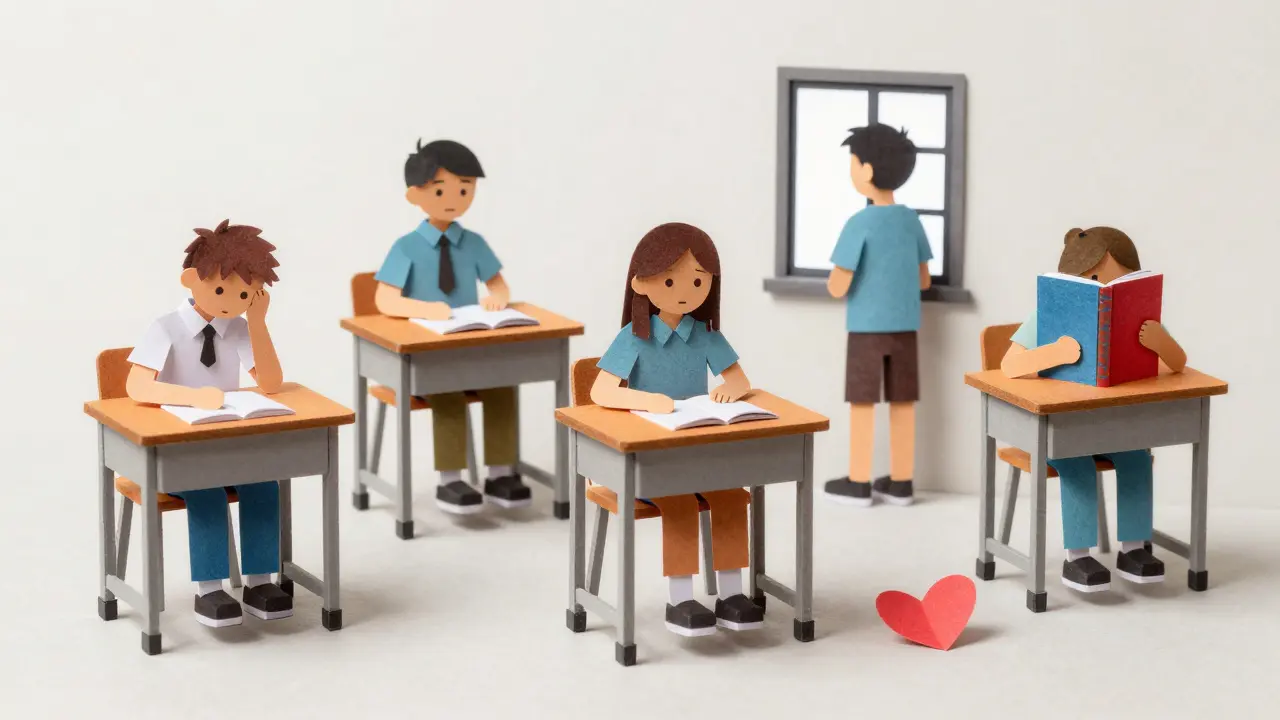
Národní monitoring duševního zdraví: Co ukazují data v ČR
- Zikmund Hrouda
- pro, 8 2025
Národní monitoring duševního zdraví v ČR odhalil alarmující údaje: 40 % žáků 9. tříd má příznaky deprese, 30 % úzkosti. Data ukazují na systémové selhání - chybí personál, peníze a přístup k péči.
Dozvědět se více